
How to Apply Software Delivery Metrics to Make Technology Investment Count
Guide highlights
Outlook for Tech Leadership in 2023
The Size of the Prize
Key Success Factors in Adopting a Metrics-Led Approach
Key Metrics to Drive Software Delivery Productivity – Strategic Alignment Metrics
Key Metrics to Drive Software Delivery Productivity – Delivery Productivity Metrics
Final Thoughts on Adopting Metrics to Drive Delivery Efficiency
Overview
The increased cost of capital and riskier economic environment in 2023 is changing the way organizations think about technology investment. As belts are tightened, CTOs are under pressure to do more with less and to provide clear evidence that their software delivery teams are delivering value as efficiently and predictably as possible.
In the private equity space this is often referred to as ‘increasing R&D ROI’ or ‘increasing R&D productivity’. In the software engineering community, it is referred to as ‘delivery efficiency or delivery productivity’. As such, it is no surprise that Value Stream Management is seen as ‘the next big thing’ in DevOps.
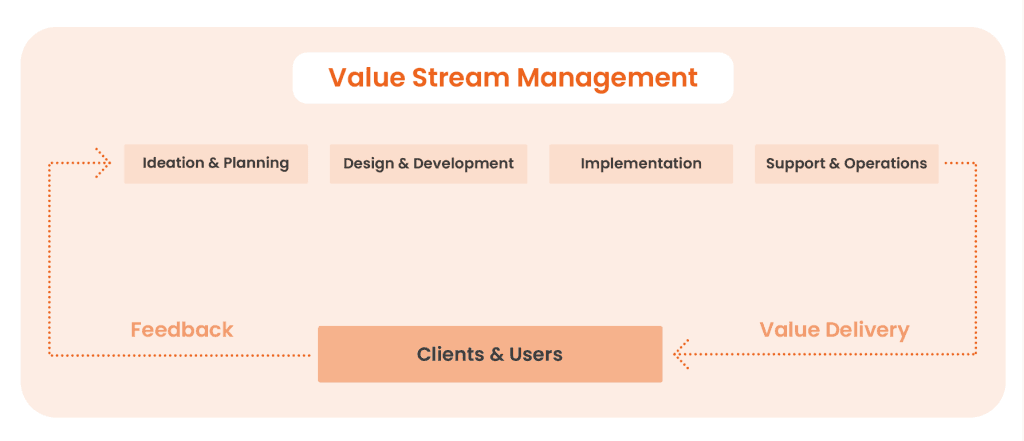
The concept is simple (and borrowed from lean management principles) in that it encourages software delivery teams to accelerate the delivery of value by; identifying and mapping their key value streams (which in Agile terms often relate to products); and then using metrics and related process improvements to optimize the efficiency of these value streams and accelerate the delivery of value to customers.
This paper considers what metrics you might use to track and drive the efficiency of that value delivery as part of a Value Stream Management approach.
See how your engineering efforts translate into measurable business impact
Measure delivery performance, AI impact, and engineering productivity with hundreds of metrics, OOTB dashboards and custom configurations.









Contact us
LONDON - HQ
Unit 313 The Print Rooms, 164-180
Union St, London SE1 0LH